Indoor Cat Stimulation: Signs of Boredom & Easy Fixes
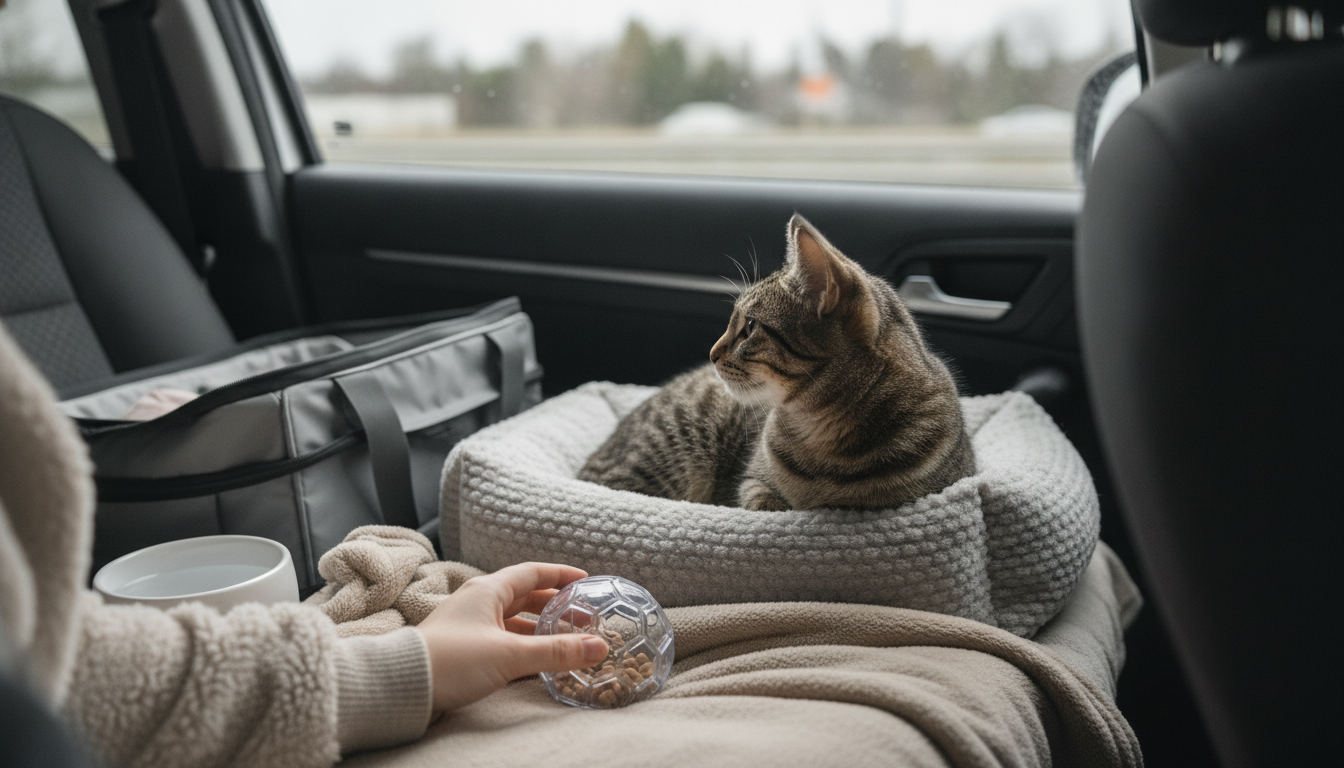
Do indoor cats get enough stimulation?
Indoor cats can get enough stimulation, but it rarely happens by accident. Without chances to hunt, climb, explore, and solve small “problems,” many cats end up bored or restless. The good news is that a few intentional tweaks to the home environment can provide the variety and challenge an indoor cat needs to stay mentally and physically engaged.
Answer
Yes—indoor cats can be fully stimulated when their day includes movement, novelty, and choice. A stimulating setup usually combines vertical space (cat trees, shelves, window perches), interactive play (wand toys that mimic prey), and enrichment that encourages natural behaviors like stalking, pouncing, scratching, and foraging.
Watch for signals that stimulation is lacking: frequent night zoomies, excessive meowing, attention-seeking that escalates to nipping, overgrooming, furniture scratching outside designated areas, or sudden “hunting” of ankles. These behaviors aren’t “bad”—they’re often the cat trying to meet normal instincts with limited outlets.
Simple upgrades can make a big difference:
- Daily play bursts: 2–3 sessions of 5–10 minutes with a wand toy, ending with a small treat or meal to complete the “hunt.”
- Food puzzles: Use puzzle feeders or scatter a portion of kibble/treats so your cat has to search and work.
- Rotate toys: Keep only a few out, swap weekly, and include different textures and movement styles.
- Safe viewing spots: A window perch or bird feeder outside the window can provide “cat TV.”
- Scratching variety: Offer both vertical and horizontal scratchers in preferred rooms.
For a deeper look at enrichment ideas and common boredom signs, visit the full guide on indoor cat stimulation.
For Indoor Cat Stimulation: Signs of Boredom & Easy Fixes, the best answer depends on fit, material, care instructions, and how the product will be used day to day.
FAQ
How can you tell if an indoor cat is bored?
Common signs include destructive scratching, constant attention-seeking, nighttime hyperactivity, overgrooming, or “ambush” behavior like pouncing on feet. Many cats improve with short interactive play sessions and more climbing/scratching options.










Leave a comment