Dog Road Trip Time Limits: Hours, Breaks, and Tips
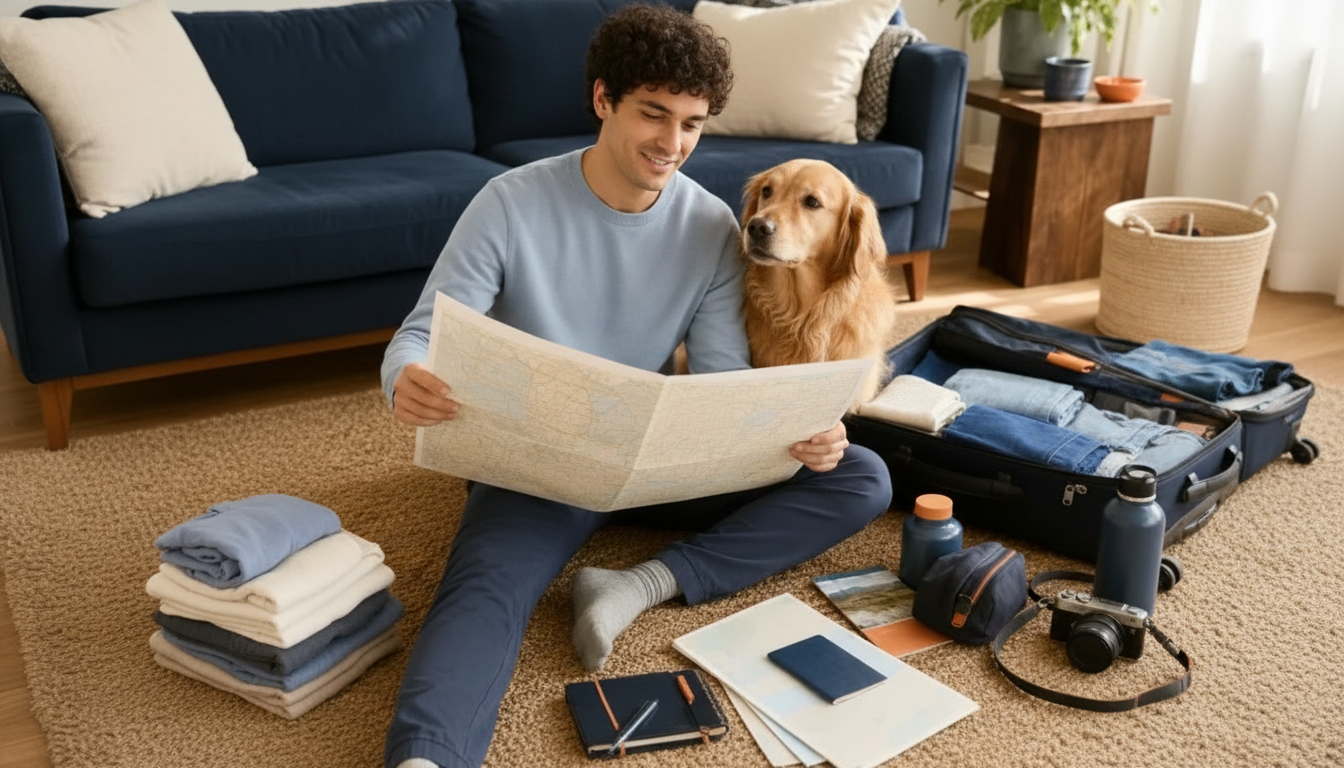
How long can a dog go on a road trip?
Most healthy adult dogs can handle a road trip day of about 6–8 hours of driving, as long as you build in regular breaks for water, potty, and a quick stretch. Some dogs can comfortably do longer days, but it depends on age, health, temperament, and how well they travel in a car.
A practical rule is to stop every 2–3 hours. These short stops help prevent stiffness, reduce stress, and lower the chance of nausea. Puppies, seniors, and dogs with medical conditions often need more frequent breaks and shorter driving days.
What factors determine how long your dog can travel?
Age and health
Puppies have smaller bladders and less stamina, while older dogs may need more movement breaks to stay comfortable. If your dog has anxiety, arthritis, heart issues, or a history of car sickness, plan shorter stints behind the wheel and discuss travel with your veterinarian ahead of time.
Temperament and travel experience
Dogs that are already used to car rides usually settle in faster and can ride longer between stops. If your dog is new to traveling, start with shorter trips, offer calm reassurance, and avoid overfeeding before departure.
Weather and vehicle setup
Heat is one of the biggest trip-limiting factors. Keep the cabin cool, offer water at stops, and never leave your dog unattended in a parked car. Secure your dog with a crash-tested harness, travel crate, or barrier to reduce injury risk and make the ride less stressful.
How to plan a comfortable road trip day
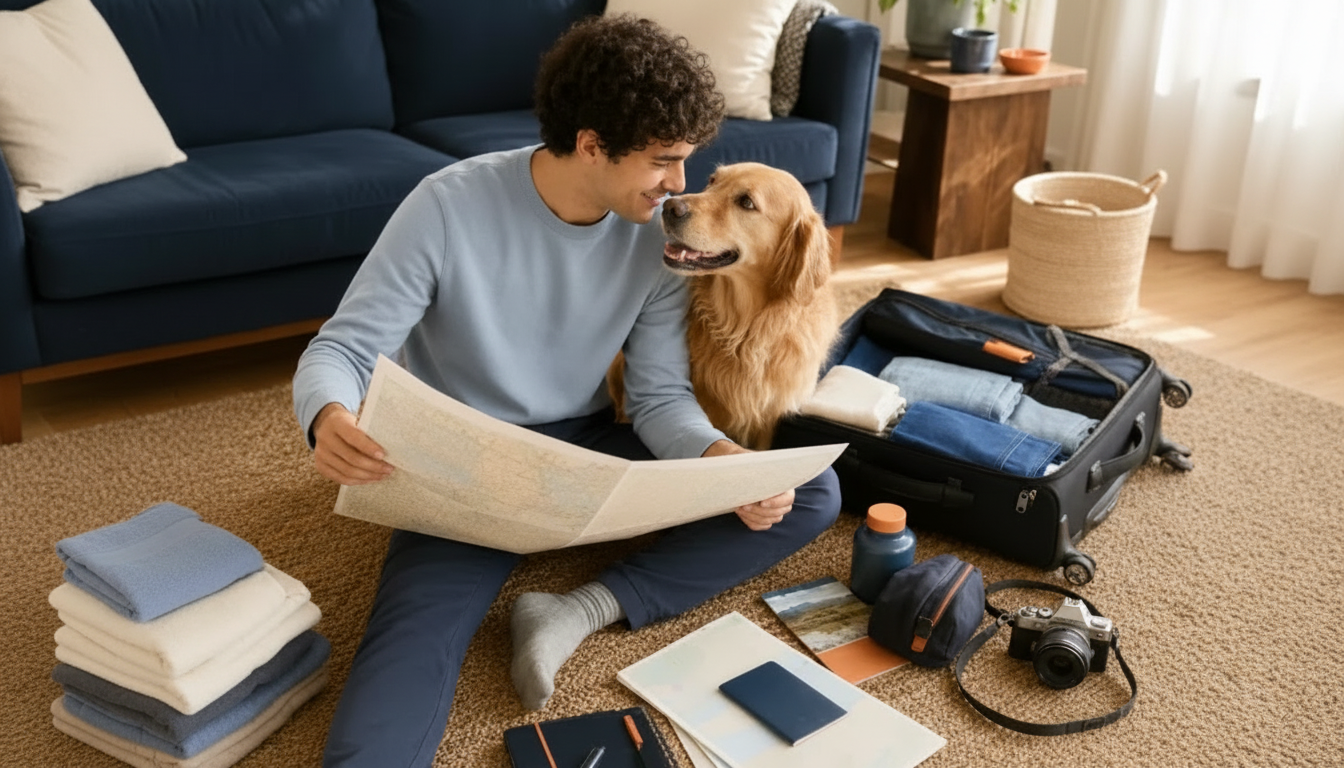
Map out pet-friendly rest stops, bring a leash, waste bags, water, and familiar food, and keep a steady routine. Aim for a longer break halfway through the day so your dog can walk, sniff, and decompress. For more detailed timing tips and travel prep, see How long can a dog go on a road trip?.
FAQ
How often should you stop on a road trip with a dog?
Plan to stop every 2–3 hours for a quick potty break, water, and a short walk. More frequent stops are best for puppies, seniors, and dogs that get anxious or carsick.









Leave a comment